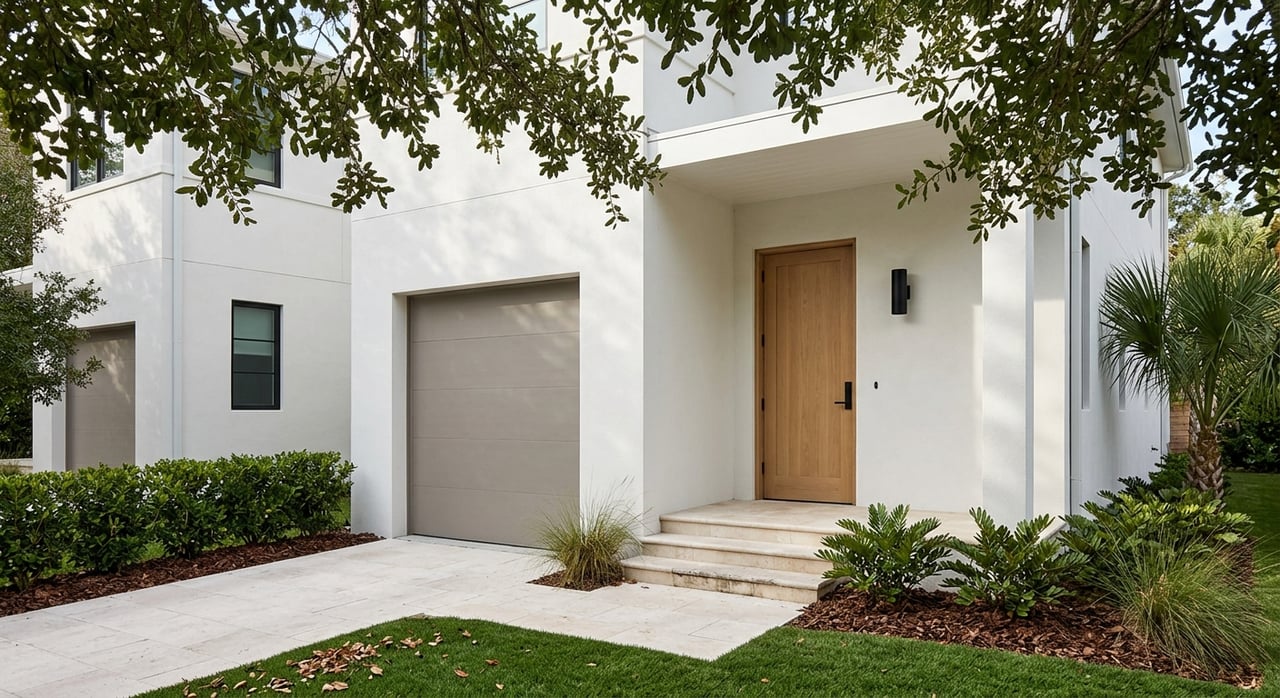
Condo Or Townhome In Winter Park For Your Next Move
April 23, 2026
April 23, 2026
If your next move in Winter Park has you choosing between a condo and a townhome, the right answer usually comes down to more than square footage or curb appeal. In this market, your decision often hinges on location, maintenance responsibilities, and the way the community is governed. If you understand those tradeoffs before you write an offer, you can move forward with more confidence and fewer surprises. Let’s dive in.
Winter Park is a largely built-out city, which shapes the kinds of homes you will find. According to the city’s housing analysis, much of the housing stock was built between 1950 and 1980, and future residential growth is expected to come more from redevelopment and infill than from large new subdivisions.
That matters because condos and townhomes are not spread evenly across the city. Winter Park’s planning documents show that higher-density housing is often concentrated in mixed-use areas such as Downtown Winter Park and Park Avenue, Hannibal Square, and Winter Park Village, rather than throughout every part of the city.
In Winter Park, attached housing tends to cluster where mixed-use development already exists or where redevelopment makes sense. City planning materials identify Park Avenue, Hannibal Square, and Winter Park Village as established mixed-use settings, and note that multifamily housing can also appear in commercial and office areas as part of mixed-use projects.
For you, that means a condo or townhome search in Winter Park is often also a lifestyle and location search. If you want to be close to walkable districts, mixed-use areas, or redevelopment corridors, attached housing may offer more options than a detached home.
The city describes the Downtown Winter Park Historic District along Park Avenue as one of Winter Park’s primary walkable core areas. In settings like this, condos often appeal to buyers who want a central location and a more lock-and-leave setup.
Winter Park’s planning materials describe Hannibal Square as a western-central part of the city and note that its housing mix includes a larger multifamily share than the citywide average. In and around these infill-oriented areas, townhomes can be a practical fit for buyers who want a more house-like layout while still limiting exterior upkeep.
The city also treats Winter Park Village as a major mixed-use area. In these kinds of locations, condos and townhomes may be tied closely to redevelopment patterns, which is one reason inventory can vary a lot from one pocket of Winter Park to another.
A condo and a townhome may look similar from the street, but in Florida, the ownership structure is often very different.
Under Florida law, a condominium owner has exclusive possession of the unit plus an undivided share in the common elements. The condominium association framework in Chapter 718 gives the association authority over common elements and association property, including maintenance, repair, and replacement in many cases.
A townhome in an HOA community is usually a separately conveyable parcel that is subject to recorded covenants and mandatory association membership if the declaration requires it. Florida’s Chapter 720 HOA framework covers the association’s powers, records, budgets, meetings, and rules.
What this means for you is simple: a condo usually comes with a more standardized ownership structure, while a townhome’s maintenance and cost responsibilities can depend much more on that specific community’s governing documents.
A condo often works well if you want convenience and a central location. In Winter Park, that can be especially appealing in downtown-adjacent and mixed-use areas where you may value walkability and easier lock-and-leave living.
The tradeoff is that condo due diligence is usually more document-heavy. Florida law requires substantial resale condo disclosures, including the declaration, bylaws, rules, annual financial statement, annual budget, FAQ document, and the most recent structural integrity reserve study or a statement that none exists, along with certain inspection-related materials when applicable, as outlined in Section 718.503.
If you are considering an older condo building, building safety requirements matter too. The Florida DBPR explains that qualifying residential condominium buildings that are three or more habitable stories can be subject to milestone inspection and structural integrity reserve study requirements, and those are separate obligations under the law.
A townhome often appeals to buyers who want more privacy and a more house-like feel without taking on full yard maintenance. In Winter Park, that can make sense in infill and corridor-adjacent areas where attached housing offers a bridge between condo living and single-family ownership.
The tradeoff is that townhome communities can vary more from one association to another. Your exterior responsibilities, insurance obligations, reserve funding, and monthly fees may depend heavily on the declaration, bylaws, and current budget rather than on the word “townhome” itself.
Florida law also requires HOA buyers to receive a disclosure summary under Chapter 720, and the association must maintain official records that include governing documents and financial information. That gives you an important paper trail to review before moving forward.
Before you decide between a Winter Park condo and townhome, focus on the details that affect your monthly costs and future upkeep.
These questions are more important than the listing label because they help you understand how much maintenance you are truly outsourcing and what future costs may still land on you.
In Winter Park, condo versus townhome is less about style and more about governance, location, and responsibility. A polished listing can make two properties seem similar, but the recorded declaration, budget, and association documents often tell a very different story.
That is especially important in a built-out city where redevelopment and older housing stock are both part of the equation. When you review the governing documents carefully, you get a clearer picture of what you are actually buying, what you will be responsible for, and how the community plans for future repairs.
If you want a central location, a lock-and-leave setup, and more shared maintenance, a condo may be the better fit. If you want more privacy, a more residential feel, and some separation from shared building systems, a townhome may make more sense.
Neither option is automatically better. The smarter move is choosing the property type that lines up with your lifestyle, your comfort with association governance, and your willingness to handle future maintenance costs.
If you want help comparing Winter Park condo and townhome options with a clear, process-focused approach, Sandroni Holdings Real Estate can help you sort through the documents, tradeoffs, and location factors that matter most to your move.
Stay up to date on the latest real estate trends.


Whether you’re buying, selling, or investing, Sandroni Holdings Real Estate offers more than representation—we offer partnership. Connect with our team and experience a brokerage where your goals are treated with purpose, precision, and respect.