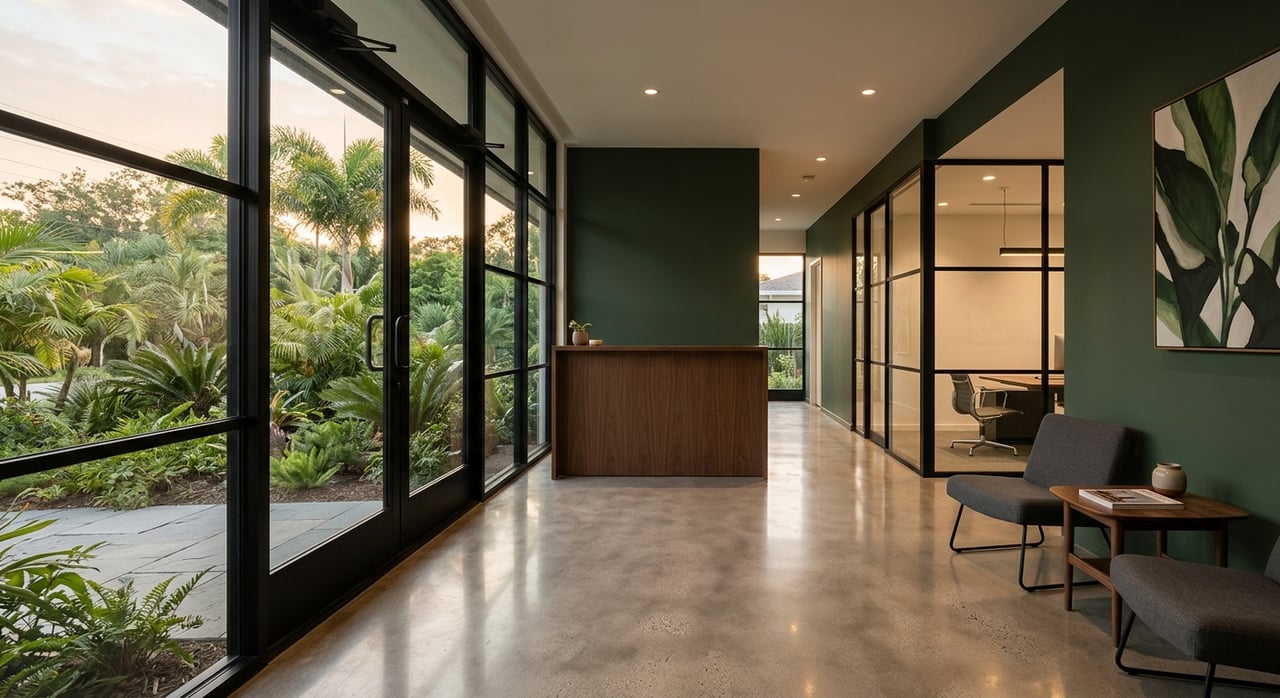
Orlando Commercial Lease Guide for Small Business Owners
May 28, 2026
May 28, 2026
Signing a commercial lease in Orlando can shape your business for years. If you are focused on monthly rent alone, it is easy to miss the terms that affect your cash flow, build-out timeline, and ability to open on schedule. This guide breaks down the lease terms Orlando small businesses should watch closely, so you can compare options with more confidence and make decisions with fewer surprises. Let’s dive in.
In Florida, commercial leases are generally treated as nonresidential tenancies under Chapter 83 Part I. In practice, that means your written lease usually controls most of the business terms, while state law provides certain default remedies if problems come up.
For you, the big takeaway is simple: the details in the lease matter. Rent, expense pass-throughs, maintenance duties, insurance requirements, build-out obligations, and move-in timing can all affect the true cost of the space.
One of the most common mistakes small business owners make is comparing spaces by base rent alone. A lower quoted rent can still cost more over time if you also pay a large share of taxes, insurance, common area maintenance, or utility costs.
When you review a lease proposal, focus on your total occupancy cost. That means looking at the full monthly and annual picture, not just the headline rate.
In Orlando, you will usually see three broad lease structures:
Triple net structures are often used in retail and restaurant settings. They can work well in the right situation, but they also shift more operating expense risk to you.
Before you choose a space, ask for a clear estimate of:
That fuller budget view will usually tell you more than the advertised rent ever could.
If your lease passes expenses through to you, the wording matters. Shared building costs can include items tied to lobbies, corridors, parking, conference areas, and other common areas, so you want to know what you are paying for and how those costs are managed.
This is one of the most important parts of the lease because it affects ongoing predictability. If operating expenses rise sharply, your space may become more expensive than expected.
Ask whether the lease includes:
Many tenants try to limit pass-through exposure, especially when it comes to major building costs. Capital expenses are often excluded unless they reduce operating costs or are required by a new law, so that language deserves a close read.
Maintenance language can look routine, but it has real cost and operational impact. You need to know what the landlord maintains, what you maintain, and what happens if something breaks.
This issue also affects move-out. Some leases require tenants to remove cabling, repair damage, or restore the space at the end of the term.
Before signing, make sure you understand:
Small details here can turn into meaningful costs later.
A lease is not just about getting in. It is also about what happens if your business changes, the space no longer fits, or a problem arises during the term.
You should know exactly what counts as a default, what remedies the landlord has, how the security deposit is handled, and whether you have renewal rights. If flexibility matters, look closely at assignment and subletting provisions too.
Make time to review these provisions:
If you are leasing retail or restaurant space, co-tenancy and operating covenants can matter a lot. Nearby tenant mix and property traffic may affect how the location performs, so those sections should not be overlooked.
Before you sign a lease in Orlando, confirm that your intended business use is allowed at that address. Zoning is handled locally, and this step should happen before you invest in deposits, design work, or build-out plans.
For businesses inside Orlando city limits, the city directs applicants to complete a zoning check to confirm the business can operate at the location. In unincorporated Orange County, zoning review is part of the process before a new Business Tax Receipt is issued.
Some tenants assume that if a similar business operated in the space before, they can simply move in and do the same. That is not always true.
If a space depends on a nonconforming use claim in Orange County, documentation is required to show that the use legally predates the current zoning code and has continued without interruption. You should verify that early, not after lease negotiations are already underway.
In Orlando and Orange County, opening a business often involves more than signing the lease and getting keys. Your timeline may depend on zoning approval, a Business Tax Receipt, a Certificate of Use, a use permit, building permits, inspections, and a Certificate of Occupancy.
That is why occupancy timing should be part of lease negotiations from the beginning. If the lease starts before you are legally able to open, you may be paying rent while you wait on approvals.
The City of Orlando states that before opening, a business needs:
The county tax collector notes that municipalities such as Orlando issue the local Business Tax Receipt first, then the county Business Tax Receipt. Both city and county receipts expire on September 30.
Orlando also notes that Business Tax Receipt fees can vary based on square footage, number of workers, or inventory. That means local fees should be part of your space budget.
Orange County draws an important distinction here. A use permit is required for a change of tenant or owner in a commercial building or tenant space.
If you are taking the space as-is for the same type of business and no work requires a building permit, the use permit path may apply. If there is a change in occupancy classification, current code compliance may be triggered, including accessibility requirements, which can push the project into a full building permit process.
If a build-out is needed in Orange County, commercial alterations require:
Orange County also notes that limited interior work may qualify for early-start authorization. Even so, your lease timeline should allow for permitting, inspections, and possible delays.
Orange County states that a building or tenant space cannot be occupied, or changed in occupancy or use, until a Certificate of Occupancy is issued. For certain commercial projects, the City of Orlando may allow a Temporary Certificate of Occupancy, typically valid for 30 days, when requested by the license holder or an authorized agent.
Orange County also states that permits expire 180 days after issuance or after the last passed inspection, with one 90-day extension available for a fee. That matters if your contractor schedule slips or approvals take longer than expected.
If you need to customize the space, the tenant improvement allowance can be one of the most valuable terms in the lease. But the headline dollar amount is only part of the story.
You should also understand what the allowance actually covers and how it is paid. Depending on the lease language, it may apply to construction costs, design and engineering fees, cabling, security systems, permit costs, and landlord review or supervision costs.
Ask:
A strong allowance with poor payment terms can still create cash-flow pressure, so read this section carefully.
Commercial leases are business decisions, legal documents, and project-management tools all at once. The earlier you bring in the right people, the easier it is to avoid expensive last-minute surprises.
That support can be especially helpful if you are balancing lease economics, permit timing, financing, and contractor coordination at the same time.
Consider involving:
For some business owners, additional counseling and training resources can also help with budgeting and planning around the lease.
If you want a simple way to stay organized, use this checklist before you sign:
A careful review now can save you time, money, and stress later.
When you are evaluating commercial space in Orlando, precision matters. The right lease is not just about securing an address. It is about making sure the economics, use approvals, and timeline support your business goals from day one. If you want a local, process-driven partner to help you compare leasing opportunities with clarity, connect with Sandroni Holdings Real Estate.
Stay up to date on the latest real estate trends.





Whether you’re buying, selling, or investing, Sandroni Holdings Real Estate offers more than representation—we offer partnership. Connect with our team and experience a brokerage where your goals are treated with purpose, precision, and respect.