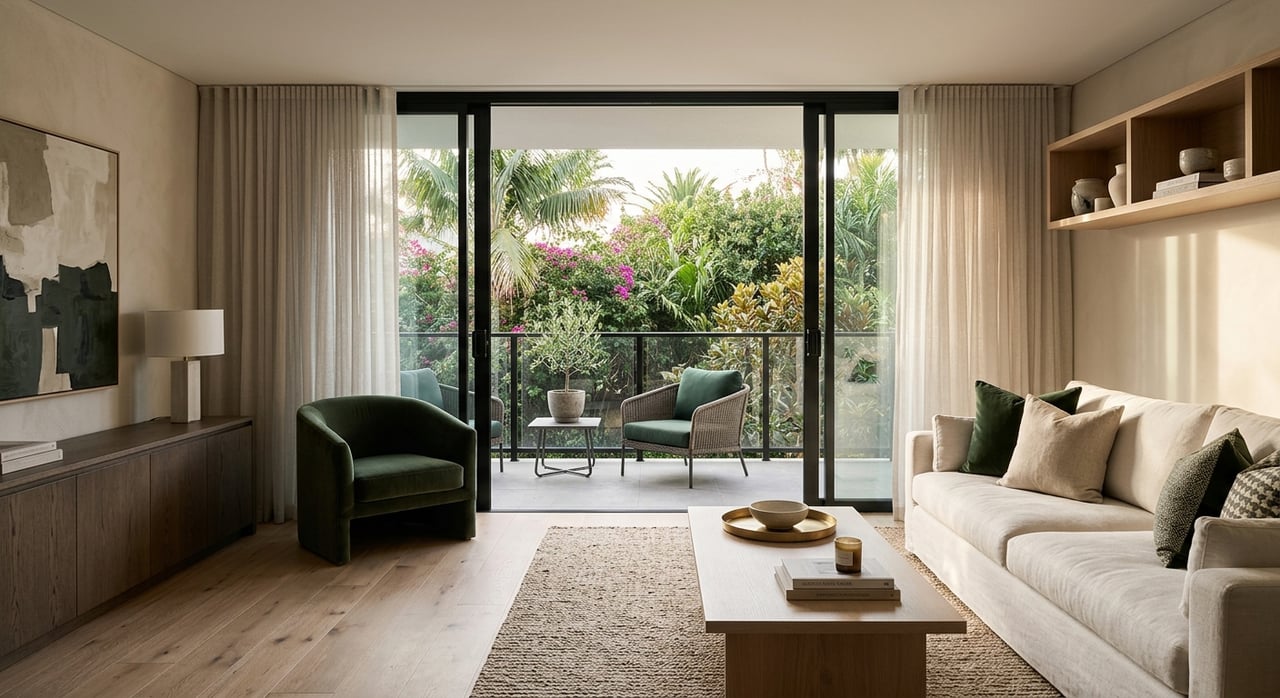
New Smyrna Beach Condo Rental Rules to Review
June 4, 2026
June 4, 2026
If you are eyeing a New Smyrna Beach condo for personal use and occasional rental income, one question matters more than almost anything else: can you actually rent it the way you want to? That answer is rarely as simple as a listing description makes it sound. Before you count on part-time rental income, you need to understand city zoning, condo rules, taxes, building costs, and how much day-to-day management you want to take on. Let’s dive in.
In New Smyrna Beach, the first filter is city zoning. The city does not allow short-term rentals everywhere.
According to the city’s short-term rental guidance, rentals under 30 days are allowed only in certain zoning districts. Rentals of 30 days or longer are allowed anywhere in the city if the owner has a Business Tax Receipt.
That means you should never assume a condo can be used as a short-term rental just because it is near the beach or already looks like a vacation property. The exact parcel zoning needs to be confirmed before you build any income plan around it.
The city brochure identifies specific districts where short-term rentals may be allowed, including:
If a condo falls outside those areas, a short-term rental strategy may not work. A 30-day-or-longer rental approach may still be possible, but that is a very different business model.
Even when city zoning allows rentals, the condominium association may not. In practice, condo documents can be more restrictive than city rules.
That is why buyers should review the declaration, bylaws, rules, and any lease or rental addenda before closing. Volusia County also warns owners to check HOA rules because they may differ from zoning requirements.
When you review condo paperwork, pay close attention to:
If lease approval is part of the condo process, Florida law also allows delinquent assessments to be a reason for disapproving a proposed lease. That makes it even more important to understand the association’s procedures and stay current on dues.
If you plan to rent the condo on a short-term basis, zoning is only one part of the puzzle. State licensing and local business registration are separate requirements.
Florida classifies a condo rented to guests more than three times in a calendar year for periods under 30 days, or advertised as regularly rented short term, as a vacation rental. For condo units, the relevant state category is a Vacation Rental-Condominium license.
The city also requires a Business Tax Receipt before doing business. The city says that receipt is renewed annually and issued after fees are paid and an initial inspection is passed.
Before you move forward, confirm:
A condo can be legal from a zoning standpoint and still be a poor fit for your goals if the building rules or licensing steps create too much friction.
Part-time rental income can look attractive on paper, but your true numbers depend on more than just the nightly or monthly rate. You need to account for taxes, condo costs, and the possibility of future building expenses.
Typical revenue lines may include base rent, seasonal pricing, cleaning charges, and any allowed amenity or pet charges. In Volusia County, mandatory fees tied to the stay, including cleaning, resort, and administrative fees, are taxable.
For short-term rentals in Volusia County, taxes are a major line item. The county says a condo rental of six months or less is subject to tourist development tax, with a 6% county portion and a 6.5% state portion, for a combined 12.5% burden.
The county also says returns are due by the 20th of the month after collection. If you have no rentals in a month, you may still need to file a zero return unless your filing status has been changed in advance.
Volusia County says you should keep records such as:
Those records must be kept for three years. If you use a manager or booking platform, you still need to know who is handling tax collection and remittance.
A beach condo budget should include more than mortgage and utilities. Condo ownership comes with recurring assessments, and those costs can materially affect whether a part-time rental still makes sense.
Florida law defines common expenses broadly, and owners are responsible for assessments while they own the unit. Associations also have lien rights for unpaid assessments.
Your ownership costs may include:
Volusia County also notes that rental furnishings may be subject to tangible personal property tax. For coastal buildings, repair projects, inspections, and reserve funding can change your financial picture quickly.
For many buyers, this is where the real decision gets made. A condo may look perfect for part-time rental use, but upcoming building work can change your expected returns.
For residential condo buildings three stories or higher, Florida law requires milestone inspections and structural integrity reserve studies on a set schedule. Existing owner-controlled associations had to complete the first structural integrity reserve study by December 31, 2024.
Before you buy, request and review:
You should also confirm whether the building is facing upcoming repairs, reserve increases, or inspection-related work. If you are underwriting rental income, those items cannot be treated as minor details.
Once the condo checks out legally and financially, the next question is operational. How much of the rental process do you want to handle yourself?
Self-management can work if you live nearby or visit often. But it also means taking responsibility for pricing, bookings, guest communication, cleanings, maintenance calls, emergencies, and tax filing.
Here is a simple comparison:
| Option | Good Fit For | Main Tradeoff |
|---|---|---|
| Self-management | Owners who live close by or visit often | More time, more direct involvement |
| Local property manager | Out-of-area owners or buyers who want less day-to-day work | Less hands-on control and added management cost |
If you hire help, remember that Volusia County says the owner or the owner’s agent may collect and remit tax, but the owner remains ultimately responsible if the agent does not pay. Some booking platforms remit taxes, while others may not handle both county and state portions, so verification matters.
A part-time rental should be clean, safe, and easy for guests to use. Florida’s lodging guidance says vacation rentals should be maintained in good physical condition.
If you provide bedding and linens, they must be clean and properly changed. If you provide dishes or glassware, they must be sanitized between guests unless the required notice is posted.
A well-prepared condo usually includes a guest guide covering:
This is not just about hospitality. It can also help reduce misunderstandings with guests and support smoother compliance with condo rules.
If you are buying a New Smyrna Beach condo for both personal use and part-time rental income, try to think in layers. First, ask whether the city allows the rental pattern you want. Then ask whether the condo association allows it. After that, test whether the taxes, dues, reserve obligations, and management workload still make the numbers work.
That step-by-step process is often what separates a flexible second home from a stressful one. In this market, the right condo is not just the one with the right view, but the one with the right rules, the right building condition, and the right carrying costs for your goals.
If you want help evaluating a New Smyrna Beach condo with both lifestyle and rental use in mind, Sandroni Holdings Real Estate brings a concierge-style, detail-driven approach that helps you sort through the rules, numbers, and process with more clarity.
Stay up to date on the latest real estate trends.
Whether you’re buying, selling, or investing, Sandroni Holdings Real Estate offers more than representation—we offer partnership. Connect with our team and experience a brokerage where your goals are treated with purpose, precision, and respect.