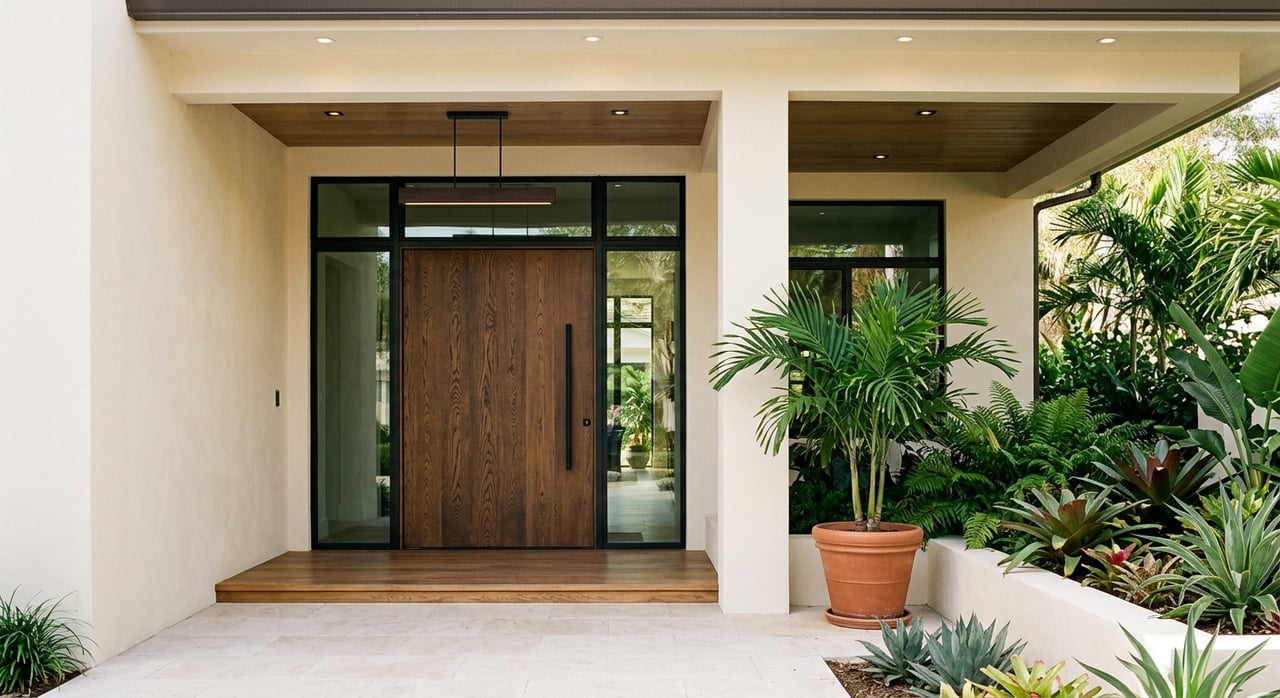
How To Choose Your Next Orlando Neighborhood
June 18, 2026
June 18, 2026
If you are searching for a home in Orlando, choosing the right neighborhood can feel harder than choosing the house itself. One area may fit your commute better, another may match your preferred home style, and another may simply feel more aligned with how you want to spend your day-to-day life. The good news is that you can narrow the field with a clear process. In this guide, you will learn how to compare Orlando neighborhoods through the lens of commute, housing type, monthly costs, and long-term flexibility. Let’s dive in.
In Orlando, neighborhood choice is often less about distance on a map and more about how your week actually works. The city’s planning framework points to continued population, employment, and land-use growth through 2050, with a strong focus on transportation alternatives. That means your best fit today should also support how your routine may change later.
A helpful starting point is to think about where you go most often now. That may include work, parks, healthcare, restaurants, shopping, or regular visits to family and friends. When you compare neighborhoods, you are really comparing how smoothly those trips fit into your life.
The city’s 2023 ACS also shows that Orlando is a highly mobile market, with 44% of residents moving into their current home in 2021 or later. For you, that is a reminder to look for a neighborhood that works not just for this year, but also for what comes next.
Orlando offers very different neighborhood experiences within a relatively short drive. The city’s Main Streets districts are a useful way to understand these patterns because they reflect the economic and everyday character of existing neighborhoods.
If you want an urban-core setting, City District represents Orlando’s downtown entertainment core. This area is shaped by theaters, nightlife, events, and a more active city-center pace. For some buyers, that energy is the draw.
This kind of area may appeal to you if you prefer being close to downtown destinations and do not mind a busier environment. It can be a strong fit when access and activity matter more than yard space or a quieter street pattern.
College Park is described by the city as a place with bungalow-style homes, brick tree-lined streets, parks, and lakes. If you are drawn to older architectural character and a near-downtown setting, this type of neighborhood may stand out right away.
When you tour an area like this, pay attention to more than charm. Consider home age, likely maintenance needs, lot size, and whether the street layout supports your daily driving or walking preferences.
Ivanhoe Village blends arts, parks, small-scale storefronts, and proximity to Loch Haven Cultural Park. Buyers looking for a walkable feel with nearby cultural amenities often place this type of neighborhood high on their list.
This can be a good fit if you want a blend of residential living and nearby local activity. It is worth visiting at different times of day so you can understand how the area feels during normal weekdays and busier evenings.
Mills 50 is known for locally owned businesses and more Michelin-recognized restaurants than any other Orlando neighborhood. Audubon Park sits between Winter Park, Leu Gardens, and downtown, while SoDo is an emerging mixed-use district near Orlando Health and downtown. Curry Ford West combines dining, nearby lakeside parks, and established neighborhoods.
Together, these districts show how varied Orlando can be. One may suit you because of restaurant access, another because of a mixed-use setting, and another because it feels more established. The right answer depends on what supports your life, not just what looks appealing in a quick search.
For many buyers, commute route access is one of the strongest ways to narrow Orlando neighborhoods. A home that saves you stress on a regular Tuesday can add more value to your life than a home that only feels convenient on paper.
Central Florida Expressway and corridor access can shape your experience in a big way. I-4 Express runs through the center of I-4, which is described as the busiest interstate corridor in Central Florida. SR 408 serves as a major east-west route with direct access to downtown venues, Orlando Executive Airport, airport connections, Valencia College, UCF, and east Orange County destinations.
SR 417 connects east Orlando, UCF, Kissimmee, and airport-oriented growth areas such as Lake Nona and Meadow Woods. SR 528 functions as the main east-west airport corridor between McCoy Road and I-4, while SR 429 gives west Orange County buyers another north-south option and improves access to the Turnpike and area attractions.
When you compare neighborhoods, ask yourself:
A neighborhood that works for your current job but fails if your office changes may not be the most flexible choice.
Highway access matters, but it is not the whole picture. SunRail serves Orlando-area stations including AdventHealth, LYNX Central, Church Street, Orlando Health, Sand Lake Road, Maitland, and Winter Park. LYNX also provides local bus service, FastLink, LYMMO, NeighborLink, ACCESS LYNX, and vanpool service.
The city is also planning the Downtown Loop, an 8.5-mile route through greater downtown Orlando that will connect more than a dozen neighborhoods and link to the Orlando Urban Trail, Gertrude’s Walk, Lake Underhill Path, Bumby Path, and Cady Way Trail. If you value transportation options beyond driving, this can influence where you focus your search.
Even if you drive most of the time, future access to trails, transit, and connected routes may improve day-to-day convenience. It can also support resale flexibility if a future buyer values those same features.
Orlando’s housing stock includes a broad mix of property types. According to the city’s 2023 ACS, 32.3% of housing units are detached single-family homes, 9.4% are single-family attached, and a large share of the rest is in multi-unit buildings, including 25.1% in buildings with 20 or more units.
That matters because your neighborhood experience is often shaped by the kind of housing around you. A condo-focused area can feel very different from a neighborhood with detached homes, and a townhome setting may offer a different balance of maintenance, density, and shared amenities.
The city also reports that 52.3% of Orlando housing was built after 1990 and 68.6% after 1980. For you, that means neighborhood comparison is also a comparison of age, upkeep, systems, layout, and maintenance expectations.
Your preferred home type and your preferred neighborhood should support each other. If they do not, your day-to-day experience may feel off even if the home checks other boxes.
If you are considering a condo, townhome, or planned community, monthly fees should be part of your neighborhood decision from the start. These costs can affect what you can comfortably afford and how you compare one area to another.
Condo and HOA fees may cover shared structures, common-area maintenance, repairs, insurance, and reserves. They can also vary widely. In practical terms, two homes with similar prices may create very different monthly budgets once you include dues, insurance, and maintenance responsibilities.
This is especially important in Orlando because many buyers are choosing between detached homes, attached homes, and larger multi-unit communities. A neighborhood may feel appealing at first glance, but the full cost structure should align with your financial comfort zone.
A smart neighborhood choice should leave room for life changes. Orlando’s Growth Management Plan makes clear that the city is planning for future growth, transportation alternatives, stormwater management, and flood mitigation across its many lakes.
The city’s 2026-2030 Consolidated Plan also shows that housing supply, neighborhood investment, transportation safety and access, and parks and recreation improvements remain active local priorities. For you, that is a reminder that neighborhood conditions are not static. Areas can evolve as public investment and city priorities move forward.
If you may need more flexibility later, ask whether a neighborhood can support that change. You may be thinking about multigenerational living, aging in place, or a property that could adapt over time.
Orlando encourages buyers to research accessory dwelling unit standards early, including questions about maximum size, setbacks, lot splits, appearance review, and permitting. If future flexibility matters to you, this should be part of the conversation before you make an offer.
Not every property will be a fit for that kind of use. Still, checking early can help you avoid buying a home that limits your long-term plans.
When you are narrowing options, keep your comparison process simple and consistent. A clear checklist can help you weigh tradeoffs without getting distracted by staging or first impressions.
Choosing your next Orlando neighborhood is really about finding a fit between your routine, your budget, your home style, and your future plans. A beautiful home in the wrong location can create friction every day, while the right neighborhood can support your goals for years.
That is why a thoughtful comparison process matters. When you evaluate commute routes, housing type, monthly costs, and long-term flexibility together, your decision becomes clearer and more grounded.
If you want local guidance with a calm, concierge-style approach, Sandroni Holdings Real Estate can help you compare Orlando neighborhoods with clarity and confidence.
Stay up to date on the latest real estate trends.
Whether you’re buying, selling, or investing, Sandroni Holdings Real Estate offers more than representation—we offer partnership. Connect with our team and experience a brokerage where your goals are treated with purpose, precision, and respect.