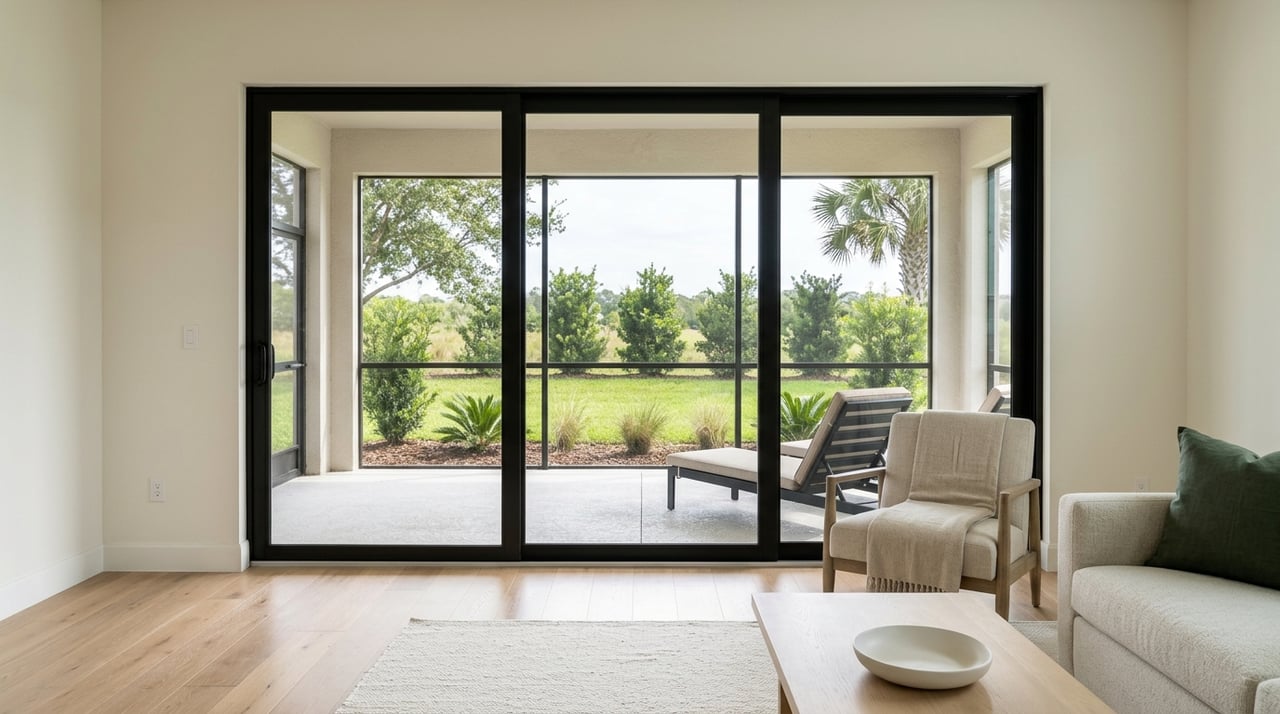
Preparing Your Longwood Home For A Smooth Sale
June 11, 2026
June 11, 2026
Getting your Longwood home ready to sell is not about making it perfect. It is about making it easy for buyers to say yes. If you are hoping for a smooth sale, the right prep can help you reduce friction, present your home well, and avoid last-minute surprises once inspections and contract deadlines begin. Let’s dive in.
Longwood was described as a seller’s market in March 2026, but that does not mean you can skip the basics. A public market snapshot showed 55 days on market, a $468,900 median listing price, and homes selling for 1.63% below asking on average.
Seminole County showed a similar pattern in April 2026, with 55 median days on market, a $399,000 median listing price, and a 98% sale-to-list ratio. The takeaway is simple: buyers are active, but they are still comparing condition, presentation, and price.
That is why smart seller prep is less about expensive remodeling and more about reducing buyer hesitation. In a market like Longwood, your home should look cared for, feel easy to maintain, and be priced with the real market in mind.
You do not need to renovate every room before you list. In fact, one of the clearest lessons from recent staging data is that basic prep often matters more than a full redesign.
According to the 2025 NAR staging survey, the most common recommendations from sellers’ agents were decluttering, cleaning the entire home, and improving curb appeal. The same research also found that many sellers were advised to declutter or correct property faults instead of staging every room.
Before you spend money, focus on the items buyers notice first:
These steps help your home feel move-in ready without over-improving it. They also make photos stronger, which matters more than many sellers realize.
Staging does not have to mean bringing in a full truck of furniture and decor. It can also mean arranging what you already have in a cleaner, more intentional way.
The 2025 NAR staging survey found that 83% of buyers’ agents said staging made it easier for buyers to visualize a property as their future home. The rooms that mattered most were the living room, primary bedroom, and kitchen.
If you have limited time or budget, start here:
This is often where buyers decide whether the home feels inviting. Keep seating simple, open up walking space, and remove anything that distracts from the size or natural light.
Your goal is calm and clean. Reduce extra furniture, simplify bedding, and keep surfaces mostly clear so the room feels restful and spacious.
A spotless kitchen sends a strong message about overall home care. Clear counters, remove nonessential small appliances, and make sure sinks, cabinet fronts, and lighting look fresh.
If you are considering professional staging, recent reporting noted a median cost of $1,500 for a staging service. That may be worthwhile in some situations, but many sellers can make strong progress with targeted edits, smart furniture placement, and a plan for photos.
Your first showing often happens online. That means your home should be ready for photos before the listing launches, not after buyers start booking tours.
According to NAR reporting, buyers’ agents said listing photos were the most important media feature for their clients, followed by traditional staging, videos, and virtual tours. The same report noted that buyers who had expectations about the home search expected a median of 20 virtual homes and 8 in-person homes before purchasing.
Your online presentation has a real job to do. If the photos are cluttered, dark, or inconsistent, buyers may never schedule a showing.
To make showing-readiness easier, create a simple reset routine:
A home that is easy to reset is easier to show. That can reduce stress once your listing is active.
A smoother sale often starts with fewer inspection surprises. In Florida, sellers and their agents are expected to disclose known material defects that affect value and are not readily observable, and that duty still applies in an as-is sale.
For many Longwood sellers, this is one of the most important reasons to prep early. If you already know about a roof leak, water intrusion, structural movement, drainage issue, HVAC failure, or another significant problem, it is usually better to address it or prepare for disclosure before a buyer discovers it during due diligence.
Walk through your home with a critical eye and gather records for:
This is not about creating alarm. It is about being organized, honest, and prepared so your transaction stays on track.
If you are planning pre-sale work, even light updates should be checked against local permit rules first. Longwood routes building construction and sign permits through the Building Division, while site plan applications, paint permits, tree permits, temporary-use permits, and related items go through the Planning Division.
The city’s site permit application also notes that separate permits may be required for electrical work, plumbing, signs, wells, pools, furnaces, boilers, heaters, tanks, and air conditioners. Larger projects may also require a Notice of Commencement before the first inspection.
Unpermitted work can raise questions during the sale process. If you are fixing or replacing something before listing, it is wise to confirm whether a permit is needed and keep records together for your buyer.
This is especially helpful if you are trying to coordinate repairs, photography, and your target listing date on a tight timeline. A little process management up front can prevent delays later.
Florida sellers should not wait until the last minute to think about required disclosures. Getting ahead of paperwork helps you stay in control and reduces the chance of rushed decisions once an offer comes in.
Florida’s flood disclosure law requires the seller to complete and provide the flood disclosure at or before the time the sales contract is executed. The statutory form asks about prior flood-related insurance claims or federal flood assistance and uses a broad definition of flooding that includes runoff and sustained standing water from rainfall.
If your home was built before 1978, federal lead-based paint disclosure rules generally apply. Sellers must disclose known lead-based paint information, provide the required EPA pamphlet, include the warning statement, and give buyers a 10-day opportunity to inspect for lead hazards.
Florida law also requires disclosure of known sanitary sewer lateral defects before the sales contract is executed. This applies to the privately owned pipeline connecting the property to the main sewer line.
If your property is subject to a pending county or municipal code-enforcement proceeding, Florida law requires written disclosure of the existence and nature of the proceeding, along with related notices and pleadings. The buyer must also be told they will be responsible for compliance.
Having these items organized before listing can make your sale feel much more controlled. It also supports stronger communication with buyers from the start.
Preparation and pricing should work together. Even in a seller’s market, buyers may push back if a home looks dated, needs repairs, or feels overpriced for its condition.
Public spring 2026 trackers for Longwood did not align perfectly. One source showed a median sale price of $443,000 at the end of March 2026, while another showed $364,812 over the three months ending April 2026. That gap is a good reminder that no single headline number tells the full story.
When you prepare to list, think about these factors together:
The goal is not simply to ask for the highest number. The goal is to position your home so buyers feel the value and act with confidence.
Selling tends to feel easier when you break it into stages. A clear timeline helps you stay organized and keeps prep from turning into a rush.
A steady plan like this can make the entire experience more manageable, especially if you are balancing work, family routines, or a move on the other side of the sale.
When you are preparing to sell in Longwood, the smoothest transactions usually come from thoughtful pricing, smart presentation, and early attention to repairs and disclosures. With the right plan, you do not need to do everything. You just need to do the right things in the right order. If you want a concierge-level strategy for your next move, connect with Sandroni Holdings Real Estate.
Stay up to date on the latest real estate trends.


Whether you’re buying, selling, or investing, Sandroni Holdings Real Estate offers more than representation—we offer partnership. Connect with our team and experience a brokerage where your goals are treated with purpose, precision, and respect.